News
As a leading manufacturer of high-precision clamping systems for CNC machine tools in China, we provide product solutions for the CNC machine tool industry.
KURATA TOOLS - Leading Manufacturer of High Precision Clamping Systems. Discover How We Help




As a leading manufacturer of high-precision clamping systems for CNC machine tools in China, we provide product solutions for the CNC machine tool industry.
2026-10-15 16:16:27
A hydraulic chuck tool holder is a precision tool holding system designed to secure cutting tools in CNC machining applications. Using hydraulic pressure to generate clamping force, it provides reliable tool retention, high concentricity, and effective vibration damping. These features make Hydraulic Tool Holders a popular choice for precision milling, drilling, reaming, and finishing operations.
For manufacturers seeking consistent machining accuracy and improved surface quality, choosing the right hydraulic tool holder is essential. Available in different interface types and specifications, including HSK Hydraulic Tool Holders and BT Hydraulic Tool Holders, these solutions can be selected according to machine compatibility, cutting tool dimensions, and machining requirements.
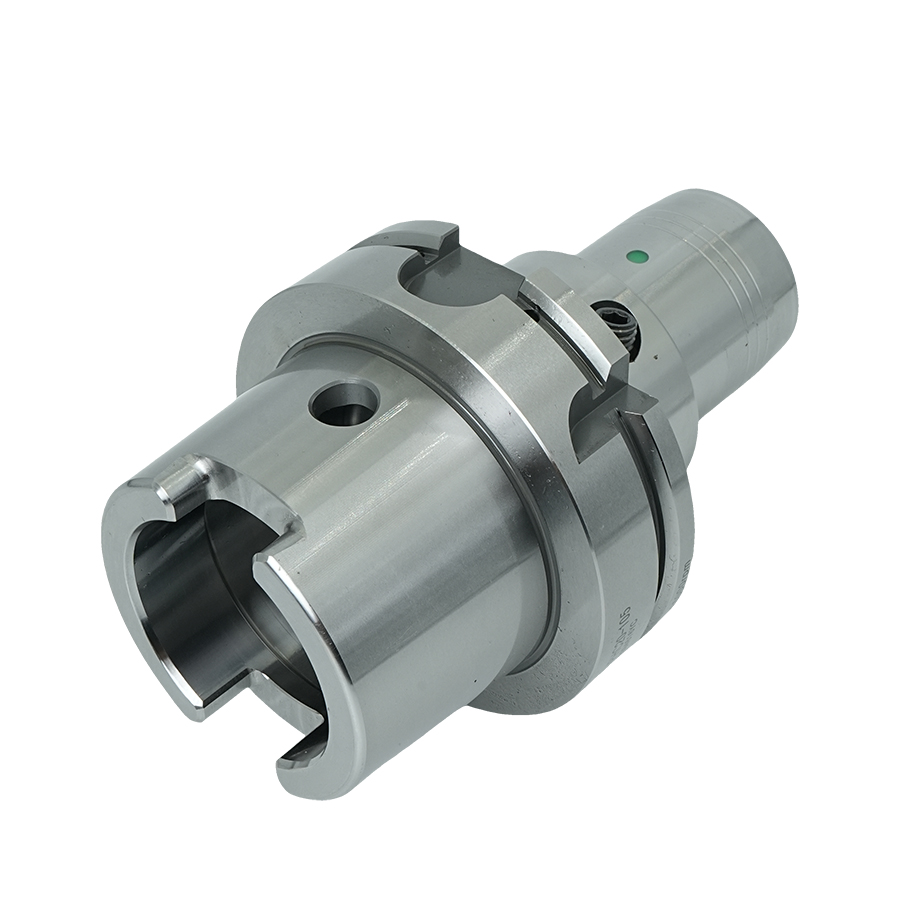
A hydraulic chuck tool holder is a CNC tooling component that uses an internal hydraulic mechanism to clamp a cutting tool securely. When the clamping screw is tightened, internal pressure acts on a thin-walled expansion chamber, causing it to contract around the tool shank.
This hydraulic clamping system distributes pressure evenly around the cutting tool, helping maintain concentricity and reduce vibration during machining. Compared with some conventional mechanical clamping systems, hydraulic chucks can also offer convenient tool changes and consistent clamping performance.
A hydraulic chuck is commonly used with suitable cylindrical-shank cutting tools in precision CNC machining centers. The exact tool diameter, insertion depth, permissible cutting conditions, and rotational speed depend on the holder design and manufacturer's specifications.
Precision is a critical requirement in CNC machining, particularly when producing components with tight dimensional tolerances. Hydraulic tool holders are designed to provide uniform clamping around the tool shank, helping maintain low runout when the holder, cutting tool, and machine spindle are properly matched.
Reduced runout can support better dimensional consistency, improved surface finish, and more predictable tool wear.
Vibration can negatively affect cutting stability, surface quality, and tool life. The hydraulic expansion mechanism provides damping that can help reduce vibration during suitable machining operations.
This makes hydraulic tool holders useful for precision finishing, reaming, drilling, and other applications where machining stability is important.
A hydraulic clamping system allows tool installation and removal through a controlled clamping mechanism. With the correct operating procedure and clamping screw, operators can change tools efficiently without using separate shrink-fitting equipment.
This convenience can help streamline tool preparation and reduce setup time in production environments.
A properly selected hydraulic chuck provides stable tool retention and consistent machining performance within its rated operating conditions. Selecting the correct holder size, tool shank tolerance, insertion depth, and clamping procedure is essential to achieving reliable results.
Different CNC machines use different spindle interfaces. Selecting a compatible interface is essential for accurate positioning, secure mounting, and dependable machining performance.
An HSK hydraulic tool holder is designed for CNC machine tools with a compatible HSK spindle interface. HSK Holders use a short, hollow taper design with flange-face contact, providing a spindle connection suited to high-speed and precision machining applications when properly matched to the machine.
HSK hydraulic tool holders are commonly considered for precision machining centers, mold manufacturing, aerospace components, and other applications that require reliable tool positioning.
When selecting an HSK hydraulic tool holder, buyers should confirm the exact HSK type, such as HSK-A63 or another machine-compatible specification, along with the tool shank diameter and maximum permissible rotational speed.
A BT hydraulic tool holder uses the BT taper interface commonly found on CNC machining centers. It is widely used in general machining, mold making, automotive component production, and industrial manufacturing.
BT hydraulic tool holders combine the familiar BT spindle connection with hydraulic tool clamping, making them a practical option for shops that require precision tool holding without changing their existing machine interface.
Buyers should verify the BT size, such as BT30, BT40, or BT50, and ensure that the holder meets the spindle and machining requirements of the intended equipment.
Hydraulic tool holders may also be available in other interface configurations, depending on the machine tool system and supplier's product range. The correct option depends on spindle compatibility, tool dimensions, machining operations, and required performance.
Before purchasing, confirm the complete holder specification rather than selecting a product based on interface size alone.
Hydraulic tool holders are one of several solutions available for CNC machining. Their suitability depends on the balance between precision, cutting force, operating speed, convenience, and total tooling cost.
| Feature | Hydraulic Tool Holder | ER Collet Chuck | Shrink Fit Holder |
|---|---|---|---|
| Clamping method | Hydraulic expansion mechanism | Mechanical collet compression | Thermal expansion and contraction |
| Vibration damping | Generally good | Depends on design and setup | Depends on holder design and tool setup |
| Tool change | Convenient with the correct procedure | Convenient with suitable tools | Requires heating and cooling equipment |
| Precision | Designed for precision tool holding | Varies by collet and holder quality | Can provide high precision with suitable equipment |
| Typical applications | Precision drilling, reaming, finishing | General-purpose machining | High-speed machining and compact tool setups |
Actual performance varies by product design, tool quality, machine condition, and operating parameters. No single tool holding system is ideal for every cutting operation.
Hydraulic tool holders are used in industries where stable tool clamping and consistent machining accuracy are important.
Mold manufacturers use CNC hydraulic tool holders for selected milling, drilling, and finishing operations. Reliable tool holding can help improve surface quality and dimensional consistency when machining mold cavities and precision features.
Automotive component production often requires repeatable machining quality across large production volumes. Hydraulic chucks can be used for suitable machining operations involving engine components, transmission parts, housings, and other precision metal components.
Aerospace components may require tight tolerances and controlled surface finishes. Hydraulic tool holders can support appropriate precision machining operations when the holder, cutting tool, spindle, and cutting parameters are correctly selected.
In general manufacturing, hydraulic tool holders can be used for drilling, reaming, finishing, and selected milling operations. Their application depends on the cutting forces, tool geometry, material being machined, and the holder's rated operating conditions.
Selecting a suitable hydraulic chuck requires consideration of several technical and commercial factors.
Confirm whether your CNC machine requires an HSK hydraulic tool holder, a BT hydraulic tool holder, or another interface. The holder must match the spindle specification and machine requirements.
Choose a holder designed for the exact cutting tool shank diameter. Correct dimensional matching is essential for proper clamping and safe operation.
For precision machining, check the manufacturer's runout specifications and the conditions under which accuracy is measured. The tool shank, holder, spindle, and assembly condition all affect the final result.
Confirm the maximum permissible rotational speed of the hydraulic tool holder and ensure it is suitable for the intended machine and machining process. Never exceed the manufacturer's specified limits.
Consider whether the application involves drilling, reaming, finishing, or heavier milling. Hydraulic tool holders are particularly attractive for suitable precision operations, while other clamping systems may be more appropriate for certain heavy-duty cutting conditions.
When comparing CNC hydraulic chuck prices, evaluate more than the initial purchase cost. Clamping consistency, tool life, machining quality, maintenance requirements, and compatibility with existing equipment all contribute to the total cost of ownership.
The price of a CNC hydraulic chuck depends on several factors, including:
Interface Type: HSK, BT, and other spindle interfaces may have different manufacturing requirements.
Tool Diameter: Different clamping diameters and configurations affect product specifications.
Precision Requirements: Tighter runout tolerances may require more demanding manufacturing and inspection processes.
Maximum Speed: Holders designed for specific high-speed applications may require additional engineering and balancing considerations.
Material and Manufacturing Quality: Material selection, machining accuracy, and quality control influence overall product value.
Customization: Special dimensions, nonstandard interfaces, and customized requirements can affect lead time and pricing.
For an accurate quotation, buyers should provide the spindle interface, tool shank diameter, required accuracy, maximum rotational speed, quantity, and any special application requirements.
Proper maintenance helps preserve clamping performance and extend the useful service life of hydraulic tooling systems.
Clean the tool shank and holder bore before installation.
Follow the manufacturer's specified clamping procedure and tightening torque.
Use tools with the correct shank diameter and insertion depth.
Inspect the holder for damage, wear, contamination, or signs of hydraulic leakage.
Store holders in a clean, dry environment and protect precision contact surfaces.
Observe the specified rotational speed limits and maintenance recommendations.
Hydraulic tool holders should be inspected and serviced according to the manufacturer's instructions. Damaged holders should not be used in high-speed machining operations.
For industrial buyers, a reliable hydraulic tool holder supplier should provide clear technical specifications, consistent manufacturing quality, and products compatible with the intended machine tools.
Before placing an order, confirm the available HSK and BT configurations, supported tool diameters, runout specifications, maximum rotational speeds, balancing requirements, and quality inspection procedures.
A supplier that can provide technical documentation and application guidance helps buyers select the appropriate hydraulic clamping system for their machining requirements.
Whether you need a standard hydraulic chuck, an HSK hydraulic tool holder, a BT hydraulic tool holder, or a customized hydraulic tooling system, provide your machine specifications and application details to obtain a suitable product recommendation and quotation.
A hydraulic chuck is used to hold cutting tools securely in CNC machine tools. Its hydraulic expansion mechanism provides clamping force and vibration damping for suitable drilling, reaming, finishing, and other precision machining operations.
The main difference is the spindle interface. HSK holders use a short, hollow taper interface with flange-face contact, while BT holders use the BT taper standard. The correct choice depends on the CNC machine spindle and its specifications.
Hydraulic tool holders can be suitable for certain milling operations, particularly those requiring precision and vibration control. However, heavy-duty milling applications with high cutting forces may require another tool holding system designed for stronger mechanical clamping. Always follow the holder manufacturer's application recommendations.
Select the holder according to the spindle interface, cutting tool shank diameter, required insertion depth, rotational speed, and machining operation. Check the manufacturer's technical specifications before ordering.
CNC hydraulic chuck prices vary according to interface type, tool diameter, precision requirements, manufacturing quality, and customization. Request a quotation based on your technical requirements to obtain an accurate price.
Use compatible cutting tools, follow the specified clamping procedure, keep contact surfaces clean, avoid exceeding rated operating limits, and inspect the holder regularly. Proper storage and maintenance also help preserve its precision and reliability.
KURATA Tools specializes in the R&D, production, and sales of high-precision clamping systems for CNC machine tools.
E-mail:sales@kuratatools.com