News
As a leading manufacturer of high-precision clamping systems for CNC machine tools in China, we provide product solutions for the CNC machine tool industry.
KURATA TOOLS - Leading Manufacturer of High Precision Clamping Systems. Discover How We Help




As a leading manufacturer of high-precision clamping systems for CNC machine tools in China, we provide product solutions for the CNC machine tool industry.
2026-10-15 16:22:26
Choosing reliable HSK tool holder manufacturers is essential for CNC machining businesses that require precision, stability, and consistent production performance. HSK Tool Holders are widely used in high-speed machining centers because their short, hollow taper design provides a rigid spindle connection and face contact when properly matched to the machine tool.
From HSK CNC tool holders and HSK Shrink Fit Tool Holders to HSK collet tool holders, different configurations meet different machining requirements. Selecting the right holder can help improve tool positioning accuracy, reduce vibration, and support consistent machining quality.
For industrial buyers, understanding HSK tool holder types, technical specifications, and customization options makes it easier to compare suppliers and choose the right precision tooling solution.
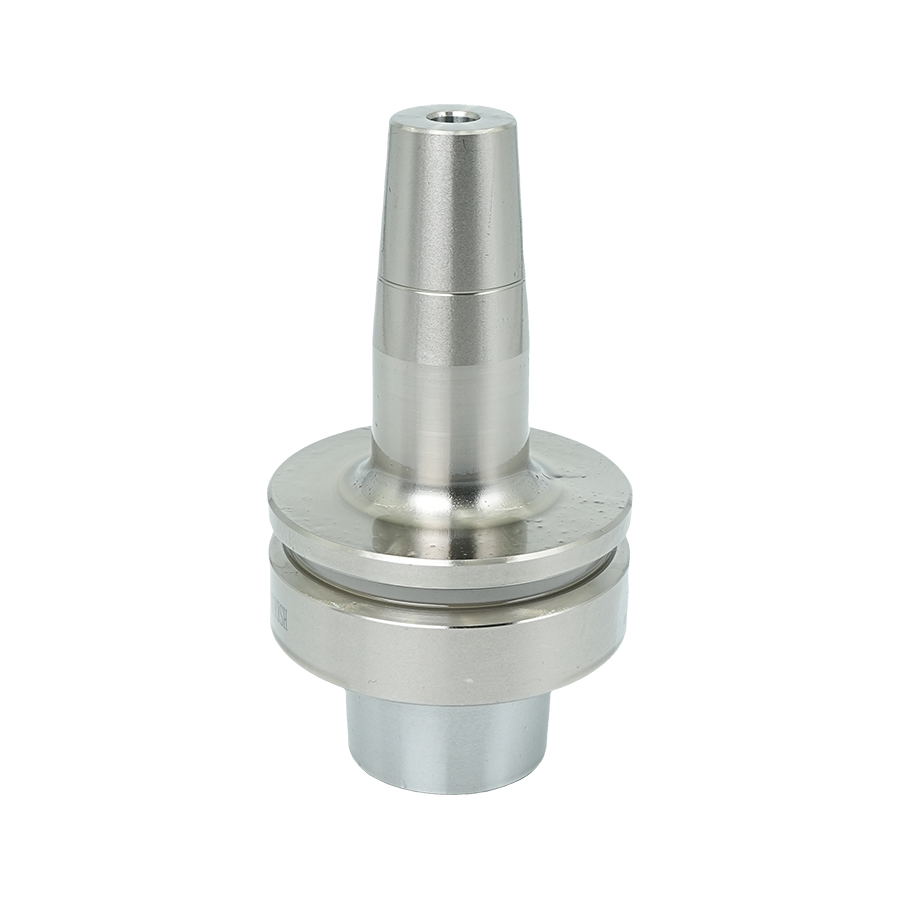
An HSK tool holder is a CNC tool holding component designed for machine tools equipped with a compatible HSK spindle interface. HSK stands for Hohlschaftkegel, a German term referring to a hollow taper shank.
Unlike conventional long taper interfaces, HSK tool holders use a short, hollow taper combined with flange-face contact. When correctly installed in a compatible spindle, this design supports accurate positioning and rigidity, making HSK tooling suitable for many high-speed and precision machining applications.
HSK CNC tool holders are used in industries such as automotive manufacturing, aerospace, mold making, medical device production, and general precision engineering.
The performance of an HSK tool holder depends on its interface type, manufacturing accuracy, balancing quality, clamping mechanism, cutting tool compatibility, and operating conditions.
Different cutting operations require different tool holding systems. Understanding the main types helps buyers select suitable products for their CNC machines and production processes.
An HSK collet tool holder uses a collet-based clamping mechanism to secure compatible cutting tools. It is a versatile option for applications requiring flexibility across different tool diameters within the supported collet range.
HSK collet tool holders are commonly used for milling, drilling, and general CNC machining. Their performance depends on the quality of the holder, collet, nut, cutting tool, and assembly.
When selecting an HSK collet tool holder, buyers should confirm the required collet system, clamping diameter, runout specifications, and maximum permissible rotational speed.
An HSK shrink fit tool holder secures a cutting tool through thermal expansion and contraction. The holder is heated using suitable equipment to expand the tool bore, allowing the cutting tool to be inserted. As the holder cools, it contracts around the tool shank.
This system can provide a slim profile, high rigidity, and excellent tool access for suitable high-speed machining operations. HSK Shrink Fit Tool Holders are often used for precision milling, mold manufacturing, and applications involving complex contours or restricted access.
Buyers should consider tool shank compatibility, heating equipment requirements, balancing specifications, and the manufacturer's operating recommendations.
An HSK hydraulic tool holder uses an internal hydraulic mechanism to clamp the cutting tool. It is designed to provide uniform clamping pressure and vibration damping for suitable precision machining operations.
Hydraulic Tool Holders are commonly considered for drilling, reaming, finishing, and selected milling applications. They can help achieve consistent machining results when the holder and cutting tool are correctly matched.
An HSK Weldon tool holder uses a side-lock clamping arrangement for compatible cutting tools with a Weldon flat. It is often selected for applications requiring secure mechanical retention under appropriate cutting conditions.
The choice between a Weldon holder, collet holder, hydraulic holder, or shrink fit holder depends on the cutting operation, tool design, machining forces, and accuracy requirements.
When comparing HSK tool holders, buyers should evaluate the technical features that directly affect machining performance.
Runout affects the way cutting edges engage with the workpiece. Excessive runout can lead to uneven cutting loads, inconsistent surface finishes, and premature tool wear.
Precision HSK tooling is manufactured to meet defined dimensional and geometric requirements. Buyers should check the manufacturer's runout specifications and the measurement conditions rather than relying on general claims about accuracy.
High-speed HSK holders must be suitable for the intended spindle speed and operating conditions. Proper interface compatibility, manufacturing quality, assembly, and dynamic balancing all contribute to stable performance.
A high speed HSK holder should always be selected according to the machine spindle specification and the manufacturer's maximum permissible speed.
Stable tool holding helps reduce unwanted movement during cutting. Depending on the design, HSK collet tool holders, hydraulic holders, and shrink fit holders offer different combinations of rigidity, damping, and tool access.
The best choice depends on the workpiece material, cutting tool, machining strategy, and required surface quality.
Consistent material quality, precision grinding, dimensional inspection, and appropriate balancing procedures are important considerations when sourcing CNC HSK tool holders.
A supplier that provides clear technical documentation helps buyers verify product suitability before placing an order.
Each HSK tool holder design offers specific advantages. Comparing the clamping method and intended application can help buyers narrow their options.
| Holder Type | Clamping Method | Main Considerations | Typical Applications |
|---|---|---|---|
| HSK Collet Tool Holder | Mechanical collet | Flexible tool sizing and easy tool changes | General milling and drilling |
| HSK Shrink Fit Tool Holder | Thermal expansion and contraction | Slim profile and rigid clamping | High-speed machining and mold making |
| HSK Hydraulic Tool Holder | Hydraulic expansion | Vibration damping and precision clamping | Reaming, drilling, and finishing |
| HSK Weldon Tool Holder | Side-lock screw | Mechanical retention for compatible tools | Selected milling and heavier cutting operations |
Actual performance varies with product design, tool specifications, and cutting conditions. Buyers should compare manufacturer data for the specific models under consideration.
The best HSK tool holders are those that meet the machine, tool, and application requirements. A higher-priced product is not automatically the best option for every machining process.
HSK holders are available in different interface types, including HSK-A, HSK-B, HSK-C, HSK-D, HSK-E, and HSK-F configurations. These types differ in design and intended applications.
Confirm the exact HSK type and size required by the machine spindle. Holders with different HSK interfaces should not be treated as interchangeable.
The holder must support the cutting tool's shank diameter, insertion depth, and clamping requirements. The correct match helps ensure secure retention and predictable machining performance.
For precision and high-speed applications, review the holder's specified runout and balancing information. These values should be assessed in the context of the intended rotational speed and assembly.
Consider the material being machined, cutting forces, tool geometry, required surface finish, and production volume. A shrink fit holder may be suitable for a slim tool setup, while a hydraulic or collet holder may be more appropriate for another operation.
When evaluating suppliers, compare product quality, expected service life, maintenance requirements, tool change procedures, and compatibility with existing equipment. Total operating cost is often more useful than purchase price alone.
Custom HSK tool holders can help manufacturers address specific machine configurations, cutting tool requirements, and production challenges.
Depending on the supplier's capabilities, customization may involve holder dimensions, tool clamping configurations, reach, working length, or other application-specific features.
Before requesting a quotation, buyers should prepare the following information:
Required HSK interface type and size
Cutting tool shank diameter and tool type
Required overall length and working length
Runout and balancing requirements
Maximum operating speed
Machining application and workpiece material
Technical drawings or reference specifications
Clear technical information helps manufacturers assess feasibility, confirm machine compatibility, and recommend a suitable tooling configuration.
Custom HSK tool holders should be designed and verified for the intended spindle, operating speed, and application. Any modification affecting balance, strength, or interface geometry requires appropriate technical evaluation.
HSK CNC tool holders are used in a variety of industries where precision and stable machining are important.
Automotive manufacturers use CNC tool holders for machining housings, structural components, and other precision metal parts. Suitable HSK tooling can support repeatable production quality across different machining operations.
Aerospace machining often involves strict dimensional and surface quality requirements. Properly selected HSK tool holders can support precision machining of compatible aluminum alloys, titanium alloys, and other engineering materials.
Mold makers use HSK collet tool holders, shrink fit tool holders, and other HSK configurations for machining cavities, contours, and detailed features. Tool access, runout, and machining stability are important considerations.
Manufacturers producing industrial components, equipment parts, and precision assemblies may use HSK tooling for milling, drilling, reaming, and finishing operations.
The appropriate holder depends on the machine interface, cutting tool, production requirements, and operating conditions.
Finding reliable HSK tool holder manufacturers requires more than comparing catalog prices. Buyers should assess technical capability, quality consistency, product range, and communication.
Look for a manufacturer that offers the required HSK interfaces and holder types, such as HSK collet tool holders, HSK shrink fit tool holders, and other CNC HSK tool holders.
The supplier should be able to explain compatibility, operating limits, and relevant technical specifications.
Ask about dimensional inspection, taper and face contact accuracy, runout testing, balancing procedures, and product traceability where applicable.
These factors help buyers evaluate whether the tooling meets their machining requirements.
If your application requires a nonstandard configuration, confirm whether the manufacturer can review drawings, assess technical feasibility, and provide customized tooling solutions.
A dependable supplier should provide clear product specifications, installation guidance, maintenance recommendations, and relevant quality documentation.
When comparing quotations, consider the specification, quality requirements, delivery schedule, order quantity, and after-sales support. Consistent supply and technical communication are particularly important for manufacturers managing ongoing production.
By evaluating these factors together, buyers can identify the best HSK tool holders for their application and establish a reliable long-term supplier relationship.
HSK tool holders are used to connect cutting tools to compatible CNC machine spindles. They support milling, drilling, reaming, and other machining operations that require reliable tool positioning and secure clamping.
HSK collet tool holders use a mechanical collet to clamp the tool, while HSK shrink fit tool holders use thermal expansion and contraction. Collet systems offer flexibility across supported tool diameters, while shrink fit systems can provide a slim profile and rigid clamping for suitable applications.
Confirm the spindle interface, cutting tool diameter, required accuracy, operating speed, clamping method, and machining conditions. Comparing the manufacturer's specifications against your application is the best way to identify a suitable holder.
Many HSK tool holders are designed for high-speed applications, but suitability depends on the specific interface, holder construction, balancing quality, cutting tool, and machine specifications. Always observe the manufacturer's rated operating limits.
Yes, some manufacturers offer custom HSK tool holders based on technical drawings and application requirements. Available modifications depend on the manufacturer's production capabilities and must preserve safe operation and interface compatibility.
Ask about the exact HSK interface, holder type, supported tool diameters, runout tolerance, maximum speed, balancing specifications, inspection procedures, lead time, and customization options. Providing your machine and cutting tool details helps the supplier recommend an appropriate product.
KURATA Tools specializes in the R&D, production, and sales of high-precision clamping systems for CNC machine tools.
E-mail:sales@kuratatools.com