News
As a leading manufacturer of high-precision clamping systems for CNC machine tools in China, we provide product solutions for the CNC machine tool industry.
KURATA TOOLS - Leading Manufacturer of High Precision Clamping Systems. Discover How We Help




As a leading manufacturer of high-precision clamping systems for CNC machine tools in China, we provide product solutions for the CNC machine tool industry.
2026-07-29 11:54:49
A collet holder is a precision tool holding device commonly used in CNC machining, drilling, milling, and turning operations. It is designed to securely hold cutting tools, such as end mills, drills, and reamers, while maintaining high accuracy and stability during machining.
The working principle of a collet holder is based on the elastic deformation of a collet. When the holder is tightened, the collet contracts evenly around the cutting tool shank, creating a strong clamping force. This uniform grip helps improve tool stability, reduce vibration, and achieve better machining accuracy.
Due to its excellent concentricity and reliable clamping performance, CNC collet holders are widely used in industries including automotive, aerospace, mold manufacturing, medical equipment, and precision engineering.
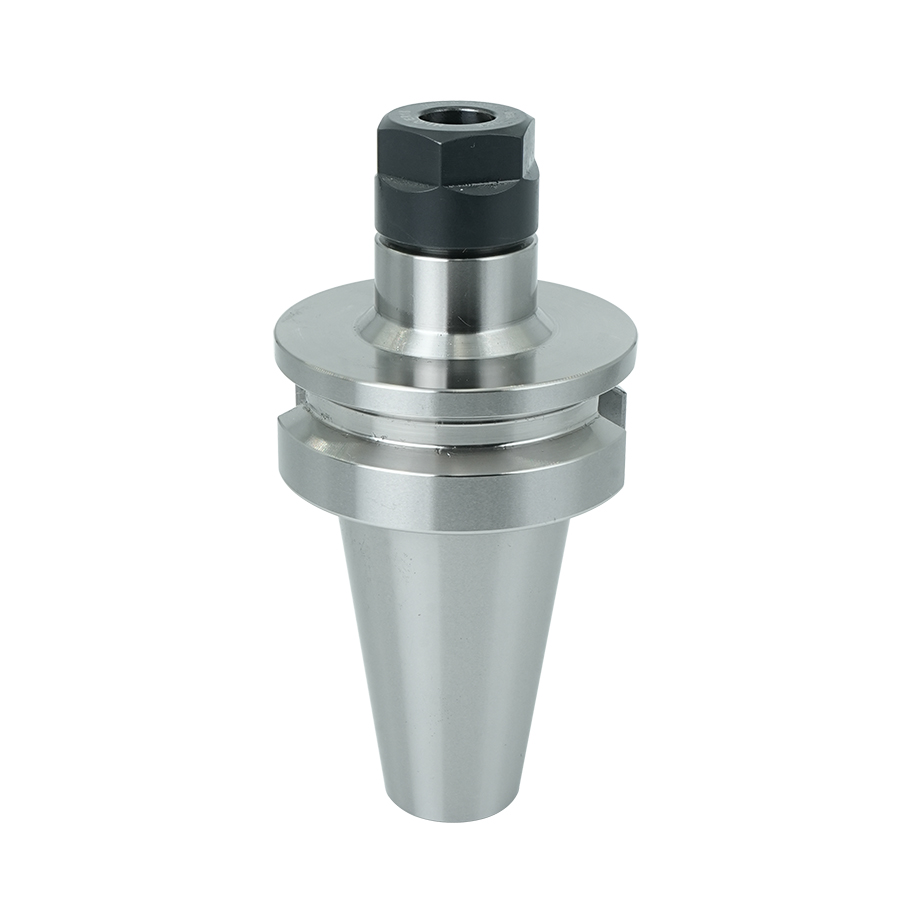
A collet holder is a tool holding system used to connect cutting tools with a CNC machine spindle. It consists of a holder body, collet, nut, and clamping mechanism that work together to securely fix the tool in position.
Unlike traditional tool holders, a collet holder uses a flexible collet with a tapered outer surface. When the collet nut is tightened, the taper forces the collet to compress inward and grip the cutting tool evenly.
A typical collet holder includes:
Holder body
Collet
Collet nut
Tapered clamping surface
Tool shank opening
The design allows quick tool changes while maintaining high precision and repeatability.
The cutting tool is inserted into the collet opening. The tool shank must match the correct collet size to ensure proper clamping performance.
Common tools held by collet holders include:
End mills
Drills
Reamers
Taps
Milling cutters
When the collet nut is tightened, the collet moves into the tapered section of the holder body.
The taper creates a radial compression force, causing the collet fingers to move inward and grip the tool shank.
The collet applies equal pressure around the entire circumference of the tool.
This 360-degree clamping method provides:
Strong holding force
High concentricity
Reduced tool movement
Improved machining stability
After clamping, the tool holder is installed into the machine spindle. During machining, the collet holder maintains tool position and minimizes vibration caused by cutting forces.
The collet is the key component responsible for gripping the cutting tool.
It is usually made from hardened steel and features multiple slots that allow it to expand and contract.
Different collet types are available, including:
TG Collets
R8 collets
The holder body connects the collet system to the CNC machine spindle.
It provides rigidity and ensures accurate tool positioning.
The collet nut applies the tightening force that compresses the collet.
High-quality collet nuts are designed to provide smooth tightening and consistent clamping pressure.
One of the biggest advantages of a precision collet holder is its excellent runout control.
High concentricity helps:
Improve machining accuracy
Extend tool life
Produce better surface finishes
The 360-degree gripping force distributes pressure evenly around the tool shank.
This prevents:
Tool slipping
Excessive vibration
Poor machining quality
Collet holders allow operators to replace cutting tools quickly, reducing machine downtime and improving production efficiency.
A single collet holder can support different tool sizes by changing the collet, making it a flexible solution for various machining operations.
The ER collet holder is the most common type used in CNC machining.
Features:
Wide clamping range
Good flexibility
High precision
Suitable for milling and drilling
ER collet holders are widely used in CNC machining centers and milling machines.
A hydraulic collet holder uses hydraulic pressure to clamp the tool.
Advantages:
Excellent vibration damping
High precision
Suitable for high-speed machining
A pneumatic collet holder uses compressed air for automatic clamping and releasing.
It is commonly used in automated production systems.
Although different from traditional collet systems, shrink fit holders also provide high precision tool holding by using thermal expansion and contraction.
| Feature | Collet Holder | Hydraulic Holder | Weldon Holder |
|---|---|---|---|
| Clamping Method | Mechanical compression | Hydraulic pressure | Side locking screw |
| Precision | High | Very high | Medium |
| Tool Change Speed | Fast | Fast | Medium |
| Vibration Control | Good | Excellent | Moderate |
| Application | General precision machining | High-speed machining | Heavy cutting |
A CNC collet holder provides a good balance between precision, flexibility, and cost, making it one of the most commonly used tool holding solutions.
Collet holders are widely used in CNC milling machines for holding:
End mills
Drills
Small cutting tools
They provide stable tool performance during precision machining.
Automotive manufacturers use collet holders for machining:
Engine components
Transmission parts
Precision mechanical parts
Aerospace components require high accuracy and reliability. Precision collet holders help maintain machining quality for complex parts.
Mold makers rely on collet holders for machining detailed cavities and precision features.
Medical components require strict tolerances, making accurate tool holding systems essential.
Choose a suitable collet system based on tool size, machining requirements, and machine compatibility.
High-speed machining applications may require high-precision collet holders with better vibration control.
Ensure the holder matches:
CNC spindle type
Tool shank diameter
Machine specifications
For precision machining, choose holders with low runout and high concentricity.
A professional collet holder manufacturer can provide customized solutions with consistent quality and technical support.
A collet holder is used to securely hold cutting tools in CNC machines, milling machines, and drilling equipment.
A collet holder grips a tool by compressing the collet around the tool shank when the collet nut is tightened.
An ER collet holder is a common CNC tool holder that uses ER collets to provide flexible and accurate tool clamping.
Yes. High-quality precision collet holders provide excellent concentricity and low runout for accurate machining.
A collet holder uses a flexible collet to evenly grip the tool, while a chuck usually uses jaws or mechanical gripping methods. Collet holders generally provide better precision for small and medium-sized cutting tools.
KURATA Tools specializes in the R&D, production, and sales of high-precision clamping systems for CNC machine tools.
E-mail:sales@kuratatools.com