News
As a leading manufacturer of high-precision clamping systems for CNC machine tools in China, we provide product solutions for the CNC machine tool industry.
KURATA TOOLS - Leading Manufacturer of High Precision Clamping Systems. Discover How We Help




As a leading manufacturer of high-precision clamping systems for CNC machine tools in China, we provide product solutions for the CNC machine tool industry.
2026-06-06 11:17:57
A tool holder in CNC machine applications is one of the most critical components affecting machining accuracy, tool life, and overall productivity. Whether you're using a milling machine, machining center, or high-speed CNC system, selecting the right CNC tool holder is essential for achieving optimal performance.
In this article, we'll explain the tool holder definition, explore the anatomy of a CNC tool holder, discuss the types of tool holders in CNC, and compare popular systems such as SK Tool Holder, HSK Tool Holder, ER Tool Holders, and Hydraulic Tool Holders.
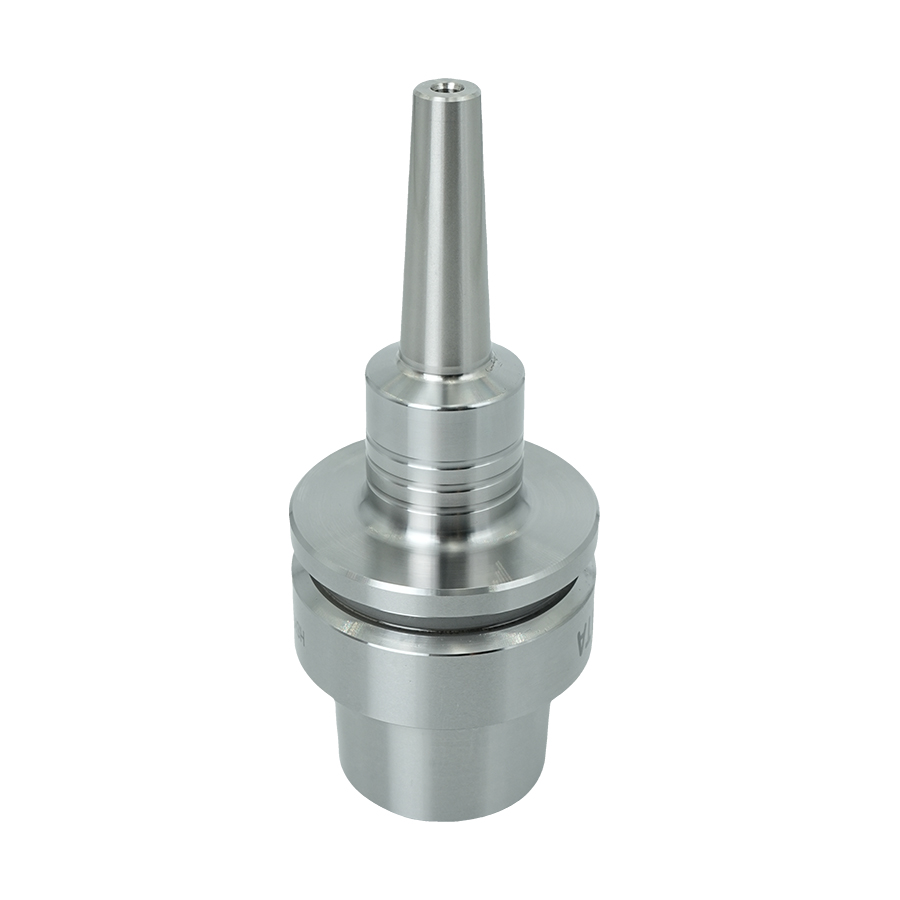
A tool holder is a mechanical interface that securely connects a cutting tool to the spindle of a CNC machine. It transfers rotational power and torque from the spindle to the cutting tool while maintaining precise positioning and concentricity.
In modern CNC tool holding systems, the tool holder serves several important functions:
Secures the cutting tool
Ensures accurate tool positioning
Transmits spindle torque
Reduces vibration
Improves machining precision
Facilitates quick tool changes
Without a properly selected tool holder in CNC, even the highest-quality cutting tools cannot perform effectively.
Understanding the anatomy of a CNC tool holder helps machinists choose the right solution for specific machining operations.
The taper shank connects the holder to the machine spindle.
Common taper standards include:
SK30 Tool Holder
SK40 Tool Holder
SK50 Tool Holder
BT30 Hydraulic Tool Holders
BT40 Hydraulic Tool Holder
BT 50 Tool Holder
HSK Tool Holder
The taper ensures accurate positioning and secure spindle engagement.
The flange is located near the taper and is used by the automatic tool changer (ATC).
Functions include:
Tool handling
Positioning
Secure retention during tool changes
The flange design varies depending on the holder standard.
The pull stud allows the machine drawbar to clamp the holder securely inside the spindle.
Benefits:
Reliable retention
High-speed operation stability
Automatic tool change compatibility
The clamping section holds the cutting tool.
Different holder designs use different clamping methods:
Collet systems
Hydraulic clamping
Shrink fit
Side lock systems
Milling chucks
The quality of the clamping area directly affects machining accuracy.
Modern high-speed CNC tool holders often include balancing features to reduce vibration at elevated spindle speeds.
Benefits include:
Improved surface finish
Extended spindle life
Better tool life
Higher machining accuracy
There are many types of tool holders in CNC machining.
The most common categories include:
ER Tool Holders use spring Collets to clamp cutting tools.
Advantages:
Wide tool size range
Cost-effective
Easy maintenance
Versatile applications
Common example:
BT40 ER32 Tool Holder
Applications:
Milling
Drilling
General-purpose machining
Hydraulic Tool Holders use hydraulic pressure to grip the cutting tool.
Advantages:
Excellent runout accuracy
Vibration damping
Improved surface finish
Longer tool life
Popular models include:
BT30 Hydraulic Tool Holders
BT40 Hydraulic Tool Holder
HSK Hydraulic Tool Holder
Applications:
Precision milling
Finishing operations
High-speed machining
The HSK Tool Holder system is designed for high-speed and high-precision machining.
HSK stands for:
Hohl Shaft Kegel (German for Hollow Shank Taper).
Advantages:
Dual-contact design
Excellent rigidity
High-speed performance
Superior accuracy
Many manufacturers consider Best HSK Tool Holders the preferred choice for advanced CNC machining centers.
Applications:
Aerospace machining
Mold manufacturing
Automotive components
High-speed milling
SK Tool Holders are widely used in European CNC machines.
Common sizes include:
Suitable for:
Small machining centers
Light milling operations
One of the most commonly used holder sizes.
Suitable for:
General CNC milling
Medium-duty machining
Designed for:
Heavy-duty machining
Large cutting tools
High torque applications
Benefits of SK holders:
Strong rigidity
Excellent reliability
Broad machine compatibility
BT holders are commonly used in Asian machining centers.
Popular examples include:
Combines BT taper with ER collet flexibility.
Offers precision clamping with vibration reduction.
Suitable for:
Heavy cutting
High torque machining
Large tool applications
| Tool Holder Type | Precision | Rigidity | Speed Capability | Typical Use |
|---|---|---|---|---|
| ER Tool Holders | Good | Moderate | Moderate | General machining |
| Hydraulic Tool Holders | Excellent | High | High | Precision machining |
| SK Tool Holder | High | High | Moderate | Milling applications |
| HSK Tool Holder | Excellent | Excellent | Very High | High-speed machining |
| BT Tool Holder | High | High | High | General CNC machining |
Selecting the best tool holder in CNC machine applications depends on several factors:
Ensure compatibility with:
SK spindle
BT spindle
HSK spindle
Different operations require different holders:
Rough milling
Finish milling
Drilling
Reaming
High-speed cutting
For maximum accuracy:
Hydraulic Tool Holders
HSK Hydraulic Tool Holder
are often preferred.
ER collet systems provide excellent flexibility when multiple tool sizes are used.
A quality CNC tool holder provides:
Better machining accuracy
Improved surface quality
Reduced vibration
Longer tool life
Higher spindle performance
Increased productivity
Investing in premium CNC tool holding systems often results in significant long-term cost savings through improved efficiency and reduced tooling wear.
Understanding the anatomy of a CNC tool holder is essential for selecting the right tooling system. A modern tool holder in CNC machine applications consists of a taper shank, flange, pull stud, and clamping mechanism that work together to ensure secure and precise tool positioning.
Whether you choose SK Tool Holder, HSK Tool Holder, ER Tool Holders, BT40 ER32 Tool Holder, BT 50 Tool Holder, or advanced Hydraulic Tool Holders, the right selection can significantly improve machining performance, accuracy, and productivity.
For manufacturers seeking high-speed precision machining, premium HSK Hydraulic Tool Holder and hydraulic clamping solutions continue to set the standard for modern CNC operations.
KURATA Tools specializes in the R&D, production, and sales of high-precision clamping systems for CNC machine tools.
E-mail:sales@kuratatools.com