News
As a leading manufacturer of high-precision clamping systems for CNC machine tools in China, we provide product solutions for the CNC machine tool industry.
KURATA TOOLS - Leading Manufacturer of High Precision Clamping Systems. Discover How We Help




As a leading manufacturer of high-precision clamping systems for CNC machine tools in China, we provide product solutions for the CNC machine tool industry.
2026-01-24 15:16:05
A hydraulic chuck is a precision tool holding system widely used in CNC machining for its excellent accuracy, vibration damping, and ease of operation. Understanding how a hydraulic chuck works helps machinists and engineers choose the right tool holder for high-precision milling, drilling, and boring applications.
In simple terms, a hydraulic chuck uses hydraulic pressure generated inside the holder to clamp the cutting tool evenly and securely.
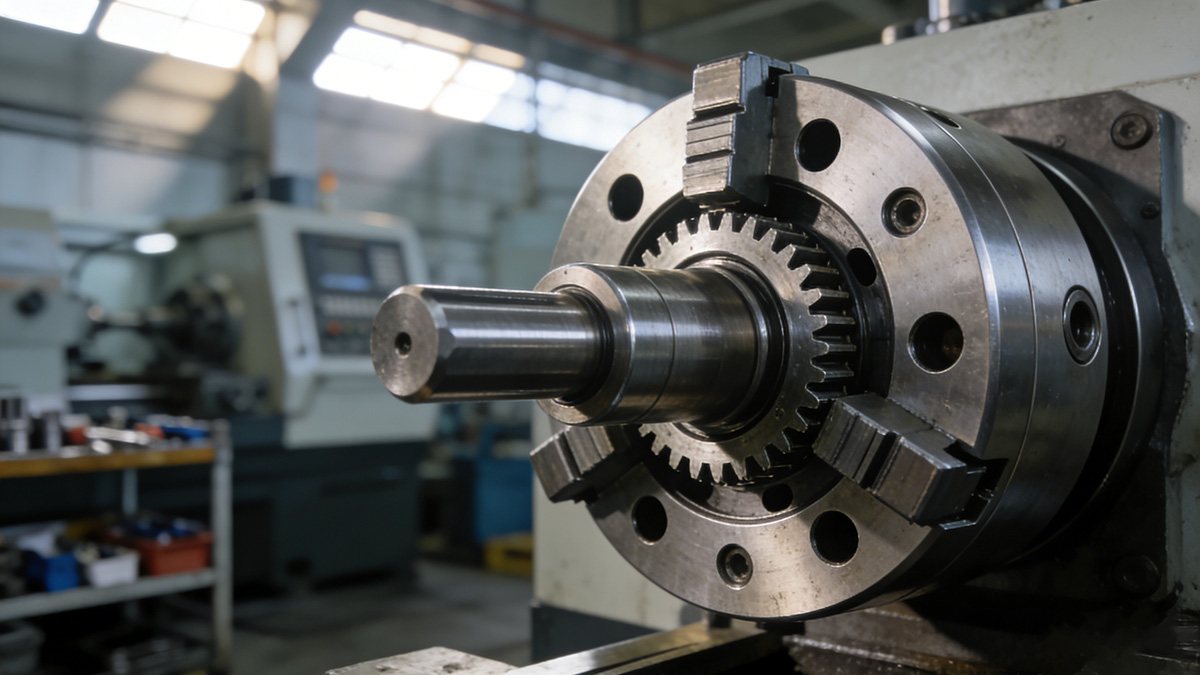
A hydraulic chuck operates by converting mechanical tightening force into uniform hydraulic pressure.
Here’s how it works step by step:
The cutting tool is inserted into the bore of the hydraulic tool holder
A clamping screw is tightened using a torque wrench
Tightening compresses an internal hydraulic chamber filled with oil
Hydraulic pressure expands a thin-walled sleeve
The sleeve clamps the tool shank evenly from all directions
This 360-degree clamping force ensures high concentricity and minimal runout.
A typical CNC Hydraulic Chuck consists of:
Chuck body (CAT, BT, or HSK interface)
Internal hydraulic chamber
Hydraulic oil
Elastic clamping sleeve
Sealing system
Pressure adjustment screw
High-quality Hydraulic Tool Holders use advanced sealing technology to maintain pressure over long service life.
Unlike mechanical collet systems, hydraulic chucks apply uniform pressure around the tool shank. This results in:
Excellent runout control (≤ 3 μm)
Improved surface finish
Reduced tool vibration
Longer cutting tool life
This is why hydraulic tool holders are widely used in finishing and semi-finishing operations.
CAT 40 hydraulic tool holder / hydraulic CAT40 holders
Popular in North America, offering strong rigidity and stability.
BT40 hydraulic chuck / BT30 hydraulic tool holders
Common in Asia and Europe, suitable for high-speed CNC machining.
HSK hydraulic tool holders provide face and taper contact, making them ideal for high-speed and high-precision applications.
A hydraulic chuck for CNC lathe is designed for continuous operation and heavy clamping loads, commonly used for turning and boring.
Using a hydraulic chuck offers several advantages:
Quick and easy tool changes
Excellent vibration damping
High clamping accuracy
Consistent performance
Reduced tool wear
Suitable for high-speed machining
Brands such as SCHUNK hydraulic holders are known for combining precision and durability in demanding CNC environments.
Compared to other systems:
More accurate than mechanical collet chucks
More forgiving than shrink-fit holders
Better vibration control than standard tool holders
Easier to use than heat-shrink systems
This makes hydraulic tool holders a balanced solution between performance and usability.
Hydraulic chucks are commonly used in:
CNC milling and drilling
Mold and die machining
Aerospace components
Medical parts manufacturing
Automotive precision parts
CNC lathe operations requiring stable clamping
With proper use, hydraulic tool holders can last many years. To maintain optimal performance:
Use correct tightening torque
Avoid over-tightening
Keep holders clean
Protect sealing areas from chips
Store in dry conditions
Good maintenance preserves hydraulic pressure and clamping accuracy.
Q1: Does a hydraulic chuck use external hydraulics?
No. A hydraulic chuck is self-contained and does not require external hydraulic systems.
Q2: Are hydraulic chucks suitable for high-speed machining?
Yes. HSK hydraulic tool holders and balanced CAT/BT holders are ideal for high-speed CNC machining.
Q3: Can hydraulic chucks be used on CNC lathes?
Yes. A hydraulic chuck for CNC lathe is commonly used for turning, boring, and finishing.
Q4: How accurate is a hydraulic tool holder?
High-quality hydraulic tool holders typically achieve runout ≤ 3 microns.
Q5: Are SCHUNK hydraulic tool holders better than standard ones?
SCHUNK hydraulic tool holders are known for premium materials, advanced sealing, and long-term precision.
KURATA Tools specializes in the R&D, production, and sales of high-precision clamping systems for CNC machine tools.
E-mail:sales@kuratatools.com